
Ottawa neighbourhoods: prices and lifestyle by area
Ottawa has roughly 138 neighbourhoods, and the price gap between them is large. Suburban Orleans homes often start near $500,000, while central areas such as the Glebe average well past $1 million. Here is how the main districts compare for 2026 buyers, by price and by who tends to live there.
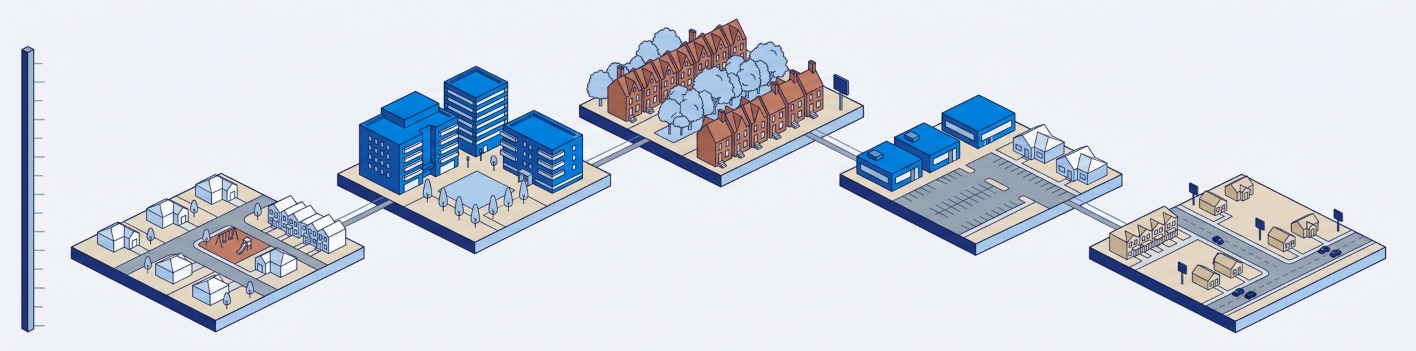
Area | Typical price range | Tends to suit |
|---|---|---|
Kanata | $600K to $1.0M | Tech workers, families, retirees |
Stittsville | $700K to $1.0M | Families wanting newer builds |
Barrhaven | $500K to $900K | First-time buyers, growing families |
Orleans | $500K to $800K | Bilingual households, families |
Westboro | $400K condo to $1.5M house | Professionals, downsizers |
Centretown | $350K condo and up | Government workers, urban renters |
The Glebe | $1.4M to $1.6M average | Buyers wanting central character homes |
Kanata: the tech corridor
About 20 km west of downtown, Kanata is Ottawa’s high-tech hub and home to the Kanata North Technology Park and the Canadian Tire Centre, where the Senators play. Real estate in Kanata mixes established pockets such as Beaverbrook and Kanata Lakes with newer subdivisions like Bridlewood and Emerald Meadows. Homes generally run from $600,000 to $1 million, with condos and townhomes lower. It suits people who want to live close to tech employment and avoid a long commute.
Stittsville: newer builds, more space
On Kanata’s western edge, Stittsville has grown quickly and keeps a small-town feel inside the city. It is one of the better spots for new construction, larger lots and a mix of detached, townhome and condo options. The average sale price recently sat around $790,000, with most inventory between $700,000 and $1 million. Young families looking for newer homes tend to land here.
Barrhaven: value in the south end
Barrhaven is one of Ottawa’s fastest-growing suburbs and a common starting point for first-time buyers. The draw is relative value next to central areas, plus parks, schools, shopping and a wide range of housing from condos to detached homes. Transit connections, including light rail expansion to the south, have improved the commute. Prices commonly fall between $500,000 and $900,000 depending on house type.
Orleans: the east end, en français too
Orleans is Ottawa’s largest francophone suburb, with strong French schools and a real community feel. It sits in the east end near Petrie Island and the Ottawa River, and the light rail link has cut downtown commute times. Buyers get good value, often $500,000 to $800,000, without giving up amenities, which keeps demand steady among families and first-time buyers.
Westboro: an urban village
Westboro is one of Ottawa’s most sought-after urban villages, walkable and full of independent shops, cafes and restaurants near the Ottawa River. It draws young professionals and downsizers. Space is limited, so the stock mixes older character homes with new infill and townhouses. The recent average sale price was around $930,000, and a notable share of homes sold above asking, a sign of steady competition.
Centretown and central living
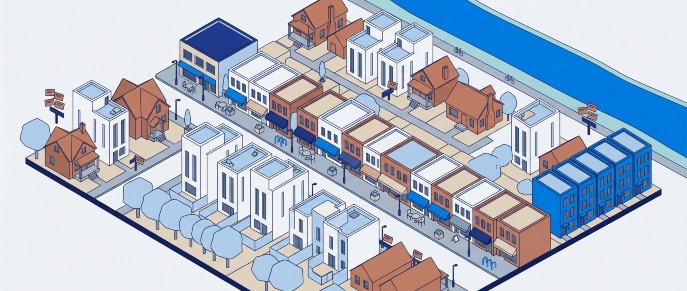
Centretown sits just south of downtown, within walking distance of Parliament Hill and the Rideau Canal, with more than 300 shops, cafes and restaurants packed into about 20 blocks. The condo market is the most active part, with units starting near $350,000 and strong rental demand. It suits professionals, government workers and anyone who wants to skip the car.
Sandy Hill: heritage near the university
Sandy Hill is a central, leafy district next to the University of Ottawa, known for heritage homes, embassies and a mix of owner-occupied houses and student rentals. Because it is so close to downtown and the university, it stays in demand year round, and prices track the central Ottawa range rather than the suburbs.
Looking beyond the city
Some buyers searching from Ottawa look east toward Gananoque, a town about 90 minutes away at the gateway to the Thousand Islands. It is a different market built around waterfront and recreational property along the St. Lawrence River, so a house for sale in Gananoque tends to price and trade differently from anything inside the capital. For city figures, see the Ottawa real estate market page, and for a deeper look at one central area, the Glebe profile.
Did you know? In 2025, eight Ottawa neighbourhoods recorded an average home price above $1 million, up from five in 2024.
Disclaimer: This website is an independent real estate information resource. It is not affiliated with, endorsed by, or connected to First Choice Realty Ontario Ltd. or any of its agents. Market figures are sourced from third parties, including the Ottawa Real Estate Board and the Canadian Real Estate Association, and are provided for general information only, not as financial or legal advice.