
Real Estate vs. Gambling in Ottawa: Understanding Two Very Different Risk Profiles
Money can be used in many different ways, from purchasing assets that may appreciate over time to spending on entertainment and leisure activities. In Ottawa, two sectors that regularly attract public attention are real estate and gambling, although they serve very different purposes.
The local housing market remains a major financial consideration for residents, with property ownership often viewed as a long-term commitment and wealth-building strategy. At the same time, both land-based and online gambling continue to grow in popularity across Ontario, creating conversations about risk, rewards, and personal financial decision-making.
Because both activities involve the possibility of gains and losses, they are sometimes discussed in the same context. However, comparing them directly can be misleading. Real estate and gambling operate under different principles, involve different risk profiles, and are generally pursued for different reasons.
This article examines how the two compare from a financial literacy perspective, helping readers better understand the distinction between long-term asset ownership and entertainment-based risk.
Understanding the Difference Between Investing and Gambling
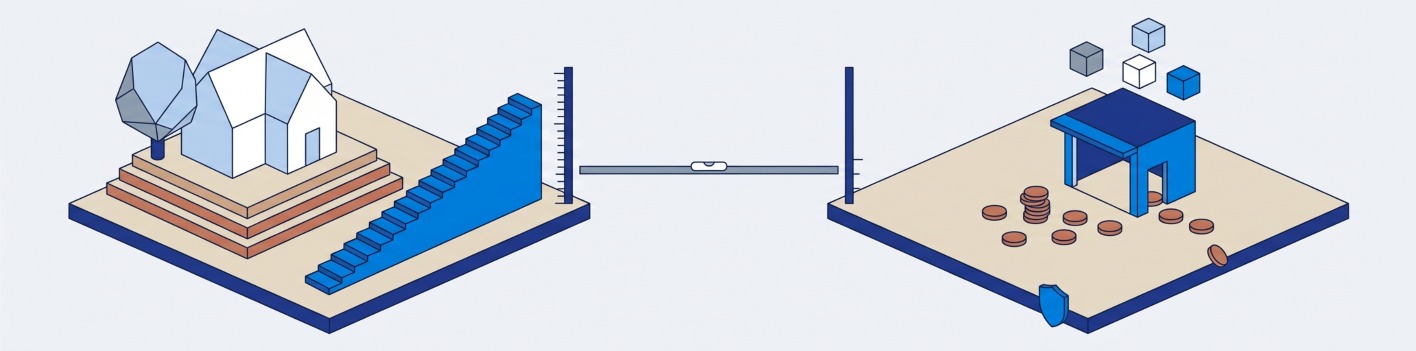
People often compare real estate and gambling because both involve money, uncertainty, and the possibility of financial gains or losses. However, the comparison can be misleading.
Property ownership is generally viewed as a long-term asset-building strategy. Gambling, by contrast, is a form of entertainment where outcomes are unpredictable and the statistical advantage typically favours the operator over time.
Understanding the difference between these activities is an important part of financial literacy, particularly at a time when both Ottawa’s housing market and Ontario’s regulated gaming sector continue to attract public attention.
The Numbers: Comparing Property Ownership and Gambling Activity
At first glance, real estate and gambling may appear to offer opportunities for financial gain. In practice, they operate according to entirely different principles.
Factor | Real Estate | Gambling |
|---|---|---|
Primary purpose | Long-term asset ownership | Entertainment |
Time horizon | Years or decades | Minutes or hours |
Expected outcome | Potential appreciation over time | Unpredictable results |
Leverage | Mortgages available | Generally not applicable |
Liquidity | Relatively low | Relatively high |
Risk profile | Market-based | Outcome-based |
The key distinction is that real estate ownership is typically associated with long-term wealth accumulation, while gambling activity is generally considered discretionary spending.
Ottawa Real Estate in 2026
Ottawa’s housing market remains one of Canada’s more stable urban markets. The average residential sale price reached approximately $721,270 in May 2026, while detached homes averaged roughly $936,317.
One reason Ottawa has historically demonstrated resilience is its diversified economy and significant public-sector employment base. Although housing prices can rise and fall, residential property has traditionally been viewed as a long-term asset rather than a short-term speculation vehicle.
Property ownership may also provide additional benefits, including potential rental income, access to mortgage financing, and participation in government-supported homeownership programs. At the same time, real estate involves costs and risks. Buyers must account for maintenance expenses, property taxes, insurance, transaction costs, and potential market fluctuations.
Gambling and Entertainment in the National Capital Region
The National Capital Region is home to Casino du Lac-Leamy, one of the most recognizable gaming and entertainment destinations in the area. Visitors attend for a variety of reasons, including dining, live events, table games, and slot machines. While occasional large jackpots receive media attention, these outcomes are uncommon and should not be viewed as representative of typical player experiences.
Like all forms of gambling, casino gaming involves financial risk. Individual results vary widely, and losses are a normal and expected part of gambling activity. For this reason, gambling is generally categorized as entertainment spending rather than investing.
The Growth of Ontario’s Online Gaming Market
Ontario’s regulated online gaming market has expanded significantly since regulation was introduced. Licensed operators now offer a wide variety of casino-style games, sports betting options, and live dealer experiences. The market’s growth reflects consumer demand as well as increased participation on regulated platforms that provide oversight and consumer protections.
The expansion of regulated gaming does not change the underlying nature of gambling, however. Regardless of whether participation occurs in person or online, gambling remains a high-risk recreational activity rather than a wealth-building strategy.
Why Real Estate and Gambling Are Not Directly Comparable
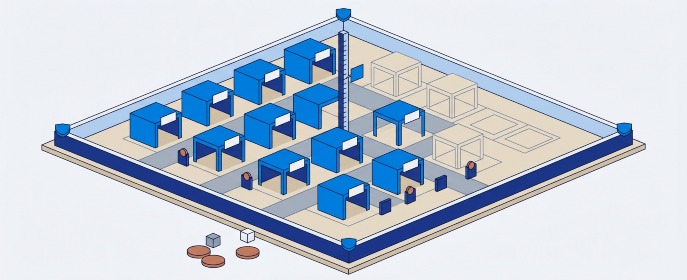
Although both involve risk, they serve fundamentally different purposes. Real estate is generally acquired to provide housing, generate rental income, preserve purchasing power, or build wealth over time. Gambling is designed as entertainment, with participants accepting the possibility of financial loss in exchange for recreational value.
This distinction is important because many people mistakenly evaluate gambling outcomes using the same framework they would apply to investments. Financial professionals generally treat the two categories separately.
A person may choose to participate in gambling activities for entertainment purposes, but those activities should not replace savings plans, emergency funds, retirement contributions, or other long-term financial objectives.
Risk Profiles Compared
Risk Factor | Real Estate | Gambling |
|---|---|---|
Principal loss | Possible | Possible |
Long-term value creation | Often a primary objective | Not a primary objective |
Cash-flow potential | Rental income possible | None |
Emotional decision-making | Can occur during market swings | Can occur during wins and losses |
Volatility | Generally moderate | Often high |
Predictability | Influenced by economic factors | Highly unpredictable |
While neither activity is risk-free, they involve different types of risk and different expectations.
Real estate and gambling are often mentioned in the same conversations because both involve money and uncertainty. However, they are not equivalent financial activities. Property ownership is generally considered a long-term asset that may contribute to wealth accumulation over time. Gambling is a form of entertainment that carries a significant risk of financial loss and should not be relied upon as a financial strategy. For individuals focused on long-term financial goals, budgeting, saving, investing, and responsible property ownership remain fundamentally different from recreational gambling activities.
Important Disclaimer
This article is provided for informational and educational purposes only and should not be considered financial, investment, legal, tax, or gambling advice.
Gambling involves a substantial risk of financial loss and should be approached responsibly and only for entertainment purposes. Past market performance, housing trends, or gambling outcomes do not guarantee future results.
Readers should consult qualified financial, legal, or tax professionals before making significant financial decisions.